/ Research Pathways
Choose your pathway.
Each pathway is a research timeline of biological phases and the peptides studied in that domain.

Mitochondrial Optimization
Energy. Efficiency. Cellular signal.
This pathway explores peptides studied for mitochondrial efficiency, oxidative stress modulation, ATP production, and cellular energy signaling.
Research Breakdown
- Targets mitochondrial efficiency and ATP production
- Explores oxidative stress and cellular energy signaling
- Studied for fatigue, metabolism, and cellular health research
Research Context
- Energy metabolism research
- Cellular fatigue models
- Longevity and oxidative stress studies
Key Compounds · Studied compounds
Research Phases
Mitochondrial Protec…
Energy Signaling
Metabolic Support

Injury & Tissue Repair
Repair signaling, remodeled.
This pathway explores peptides studied for soft tissue repair, inflammation modulation, angiogenesis, collagen signaling, and recovery biology.
Research Breakdown
- Targets soft tissue, tendons, and barrier biology
- Explores angiogenesis, cell migration, and inflammation modulation
- Studied for repair signaling and tissue regeneration research
Research Context
- Injury and tissue repair research
- Inflammation modulation studies
- Collagen and regeneration models
Research Phases
Tissue Protection
Repair Signaling
Recovery Optimization

Fat Loss & Metabolic Research
Incretins, lipolysis, the GH axis.
This pathway explores compounds studied for appetite signaling, insulin response, lipolysis, energy expenditure, and body composition research.
Research Breakdown
- Targets metabolic and endocrine signaling pathways
- Explores incretin response, GH axis, and lipid metabolism
- Studied for appetite regulation, glycemic control, and body composition research
Research Context
- Appetite signaling research
- Insulin response studies
- Body composition research
Key Compounds · Studied compounds
Research Phases
Appetite & Glucose S…
Growth Hormone Axis
Fat Metabolism Resea…
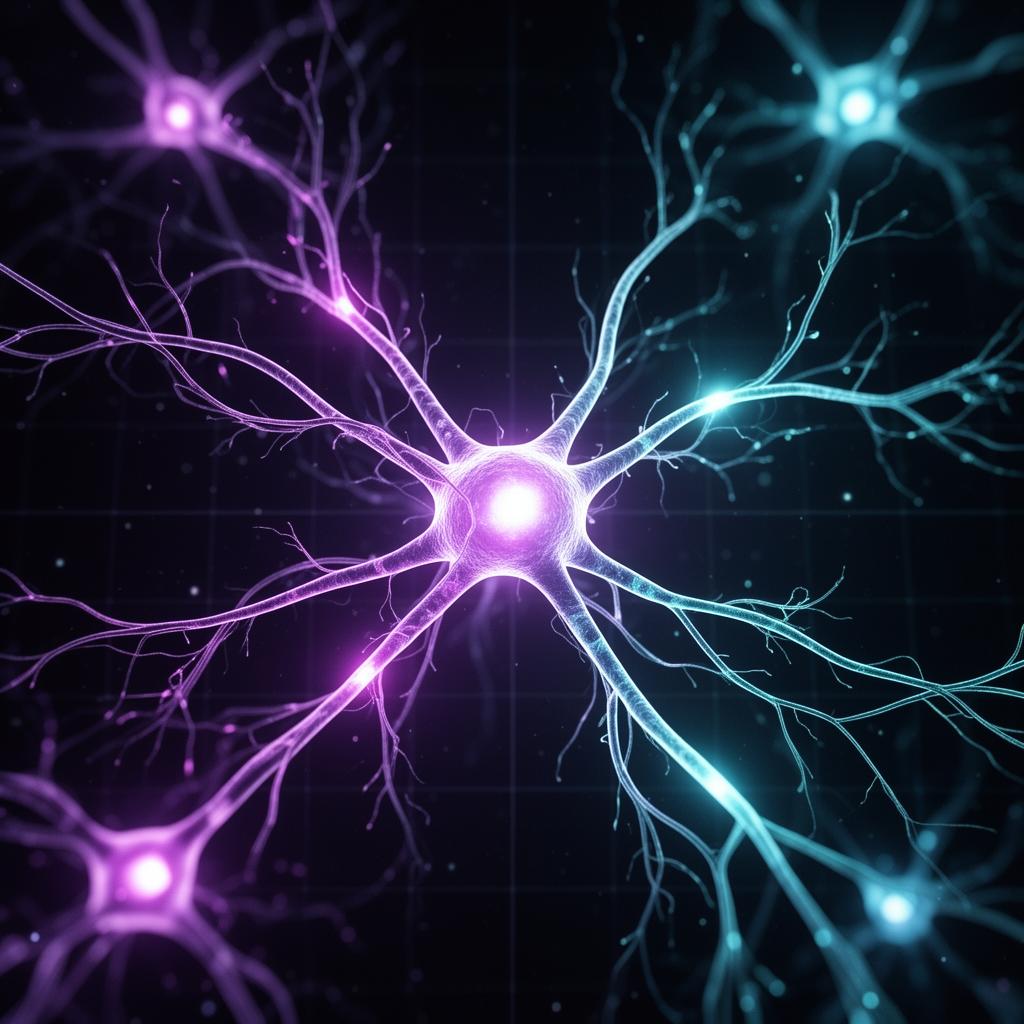
Brain / Focus / Neuro Research
Cognitive signaling and neural plasticity.
This pathway explores peptides studied for cognitive signaling, stress response, neuroprotection, and focus-related mechanisms.
Research Breakdown
- Targets cognitive and neuroendocrine systems
- Explores BDNF-related signaling, plasticity, and stress modulation
- Studied for focus, neuroprotection, and neural recovery research
Research Context
- Cognitive performance research
- Neurotrophic and BDNF-related studies
- Stress and neuroprotection models
Key Compounds · Studied compounds
Research Phases
Cognitive Signaling
Stress Modulation
Recovery

Longevity & Cellular Health
Senescence, repair, and the cellular clock.
This pathway explores peptides studied for collagen signaling, skin repair, hair follicle biology, inflammation modulation, and cellular aging.
Research Breakdown
- Targets cellular repair and aging biology
- Explores collagen synthesis, senescence, and telomere-related pathways
- Studied for skin remodeling, inflammation tone, and longevity research
Research Context
- Cellular aging research
- Skin remodeling and collagen studies
- Senescence and immune-tone models
Research Phases
Skin Repair
Inflammation Modulat…
Longevity

Recovery / Sleep / Performance
Restoration and adaptive signaling.
This pathway groups peptides studied across recovery, sleep, and performance-related signaling, drawing from repair biology and the GH axis.
Research Breakdown
- Targets recovery, sleep, and adaptive performance systems
- Explores tissue restoration, GH-axis pulsing, and mitochondrial resilience
- Studied for restoration and adaptive signaling research
Research Context
- Recovery and adaptation research
- Sleep and restoration studies
- GH-axis and resilience models
Key Compounds · Studied compounds
Research Phases
Tissue Restoration
GH Axis Modulation
Resilience
For research and educational purposes only.
Not medical advice. Not intended to diagnose, treat, cure, or prevent disease. Compounds discussed may not be approved for human use. Any dosing information shown describes ranges studied in research settings — never a recommendation.